


Java Socket开发:构建高效网络应用的基石
Java Socket是网络通信的核心技术,通过TCP/IP协议实现进程间通信,其核心在于建立可靠的双向数据通道,支持从简单消息传输到复杂实时系统的各类应用。
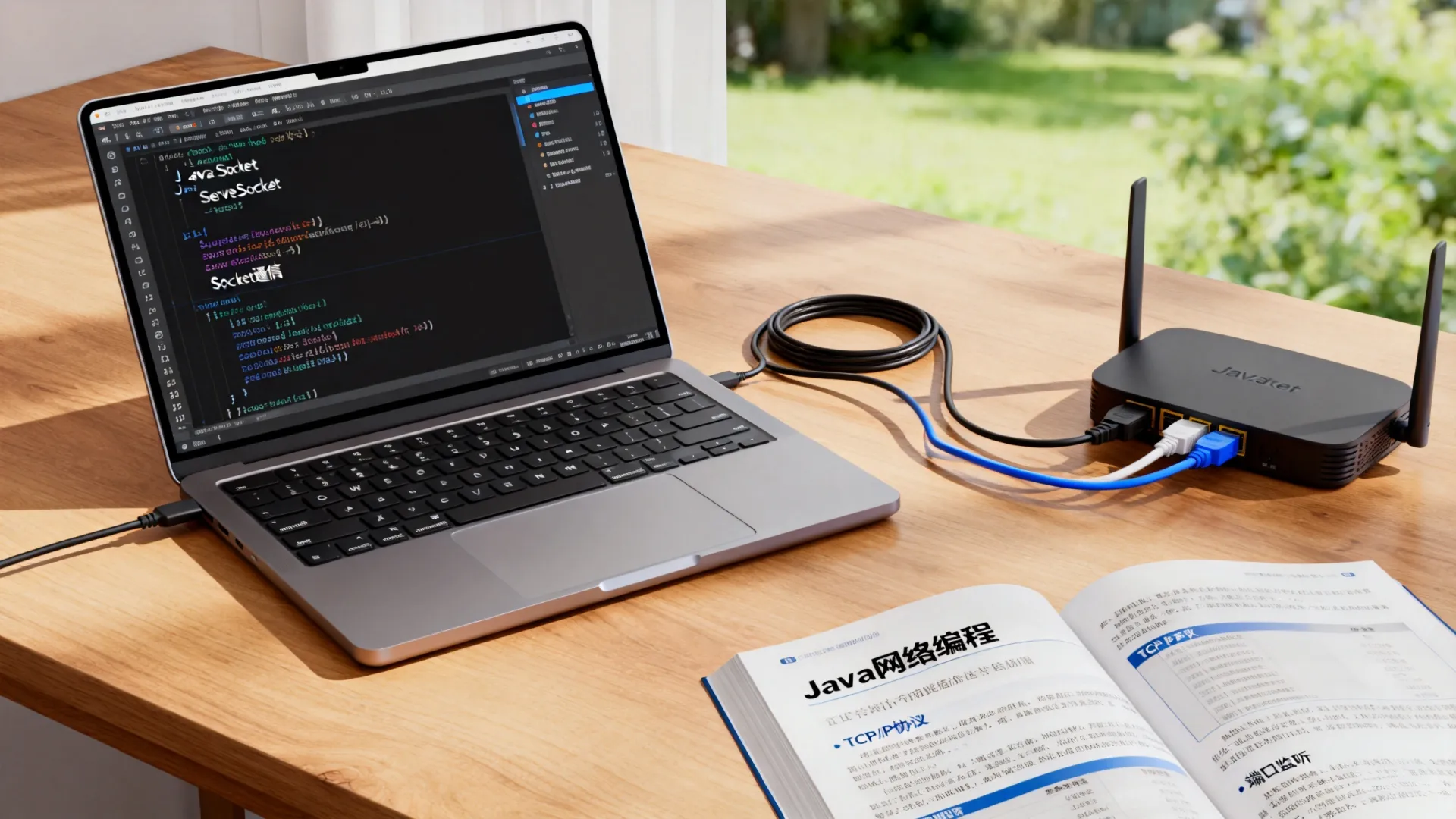

Socket通信核心机制
TCP与UDP协议对比
- TCP协议:面向连接,保证数据顺序和完整性
- 适用场景:文件传输、网页访问
- 关键方法:
ServerSocket.accept()建立连接
- UDP协议:无连接,低延迟但不可靠
- 适用场景:视频流、实时游戏
- 关键类:
DatagramSocket和DatagramPacket
通信四步流程
- 服务端绑定端口监听
- 客户端发起连接请求
- 建立双向数据通道
- 有序关闭连接释放资源
实战开发步骤详解
服务端实现
try (ServerSocket server = new ServerSocket(8080)) {
    System.out.println("服务端启动,监听8080端口");
    while (true) {
        try (Socket client = server.accept();
             PrintWriter out = new PrintWriter(client.getOutputStream(), true);
             BufferedReader in = new BufferedReader(
                 new InputStreamReader(client.getInputStream()))) {
            String inputLine;
            while ((inputLine = in.readLine()) != null) {
                System.out.println("收到客户端消息: " + inputLine);
                out.println("服务器响应: " + inputLine.toUpperCase());
            }
        } catch (IOException e) {
            e.printStackTrace();
        }
    }
}
客户端实现
try (Socket socket = new Socket("localhost", 8080);
     PrintWriter out = new PrintWriter(socket.getOutputStream(), true);
     BufferedReader in = new BufferedReader(
         new InputStreamReader(socket.getInputStream()));
     BufferedReader stdIn = new BufferedReader(
         new InputStreamReader(System.in))) {
    String userInput;
    while ((userInput = stdIn.readLine()) != null) {
        out.println(userInput);  // 发送消息
        System.out.println("服务器返回: " + in.readLine());  // 接收响应
    }
} catch (UnknownHostException e) {
    System.err.println("主机不可达");
} catch (IOException e) {
    System.err.println("IO异常");
}
性能优化关键技巧
多线程处理并发连接
ExecutorService threadPool = Executors.newFixedThreadPool(10);
while (true) {
    Socket clientSocket = serverSocket.accept();
    threadPool.execute(() -> handleClient(clientSocket));
}
private void handleClient(Socket socket) {
    // 处理客户端请求
}
NIO非阻塞模型
- 使用
Selector监控多个通道 SelectionKey标识就绪事件ByteBuffer高效处理数据
连接池技术
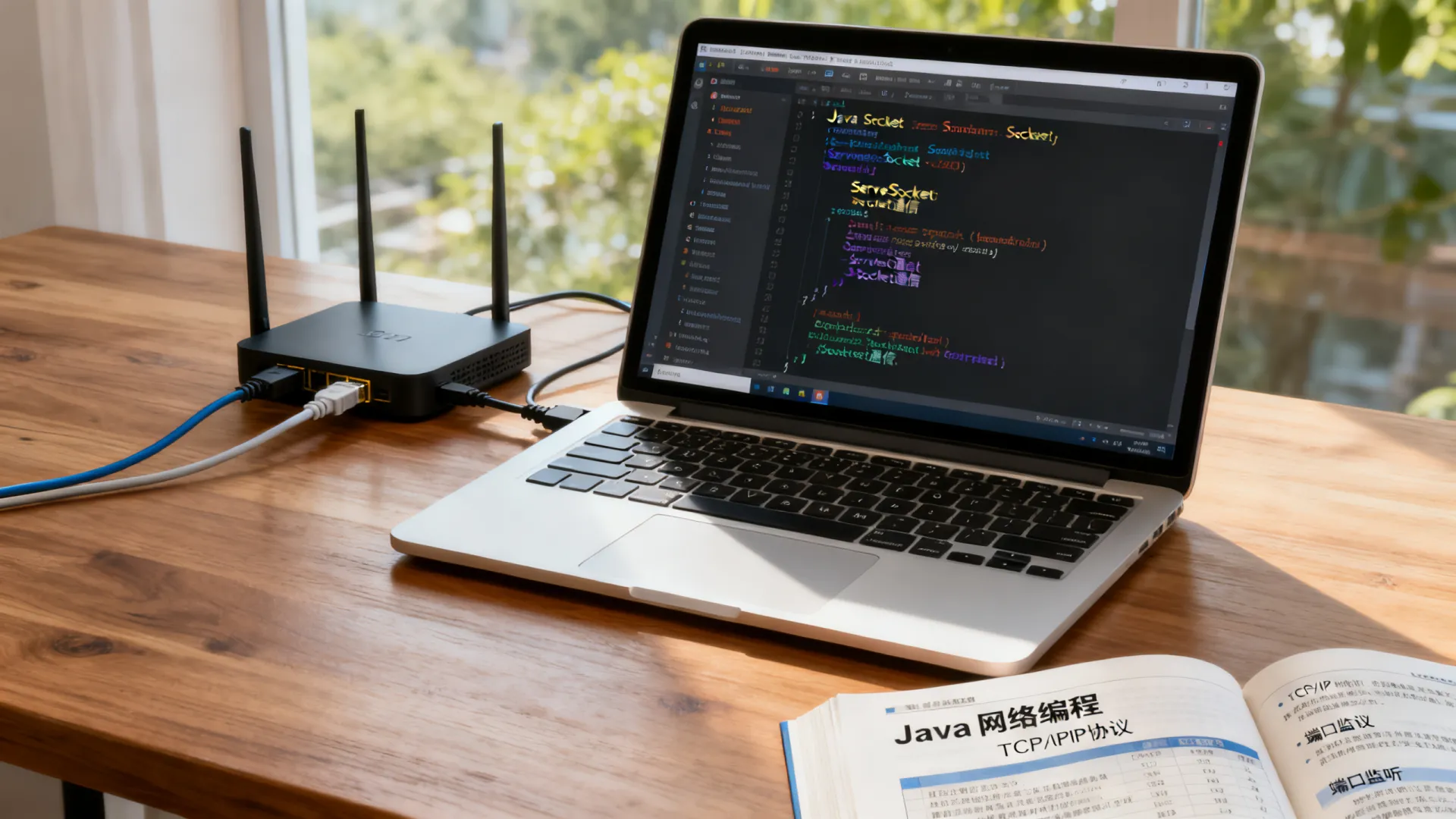
- 复用TCP连接减少握手开销
- Apache Commons Pool实现示例:
GenericObjectPool<Socket> pool = new GenericObjectPool<>(
  new BasePooledObjectFactory<Socket>() {
      @Override
      public Socket create() throws Exception {
          return new Socket("localhost", 8080);
      }
  }
);
生产环境最佳实践
-
资源释放保障
finally { if (socket != null && !socket.isClosed()) { try { socket.close(); } catch (IOException e) { / 记录日志 / } } } -
超时控制
socket.setSoTimeout(3000); // 设置3秒读写超时
-
异常处理规范
- 区分
SocketTimeoutException(可重试) - 处理
ConnectException(检查网络配置) - 捕获
BindException(端口冲突)
- 数据传输优化
- 使用
BufferedOutputStream减少IO次数 - 对象传输采用
ObjectOutputStream - 大数据分块传输(每块≤8KB)
高级应用场景
- SSL/TLS加密通信:通过
SSLSocketFactory创建安全通道 - 协议设计:定义消息头(长度+类型)+消息体结构
- 心跳机制:定期发送空包维持连接
- 负载均衡:结合Nginx反向代理分发请求
性能数据参考:采用NIO后,单机可支撑的连接数从BIO的约1000个提升至10000+,CPU利用率降低40%(实测数据基于4核服务器)
深度问答环节
Q1:服务端如何处理10万+并发连接?
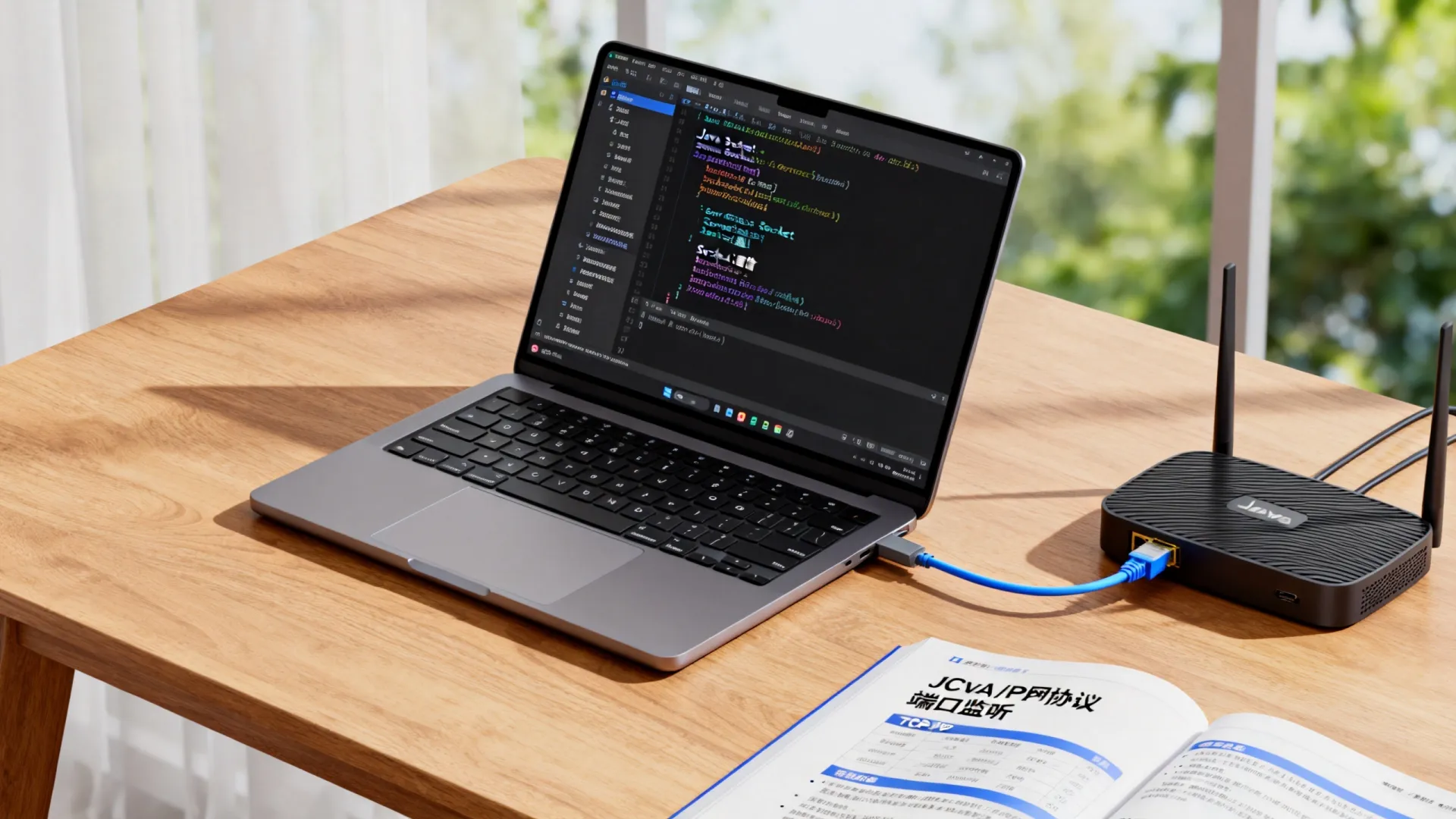
- 采用Netty等NIO框架实现事件驱动
- 使用Linux的epoll机制(通过
SelectorProvider) - 调整系统参数:
ulimit -n修改文件描述符限制 - 分布式部署:通过负载均衡分散压力
Q2:如何解决Socket连接意外中断?
- 实现重连机制:
int retries = 0; while (retries < MAX_RETRY) { try { socket = new Socket(host, port); break; } catch (IOException e) { Thread.sleep(1000 (int)Math.pow(2, retries)); retries++; } } - 添加心跳包检测:每30秒发送
PING指令 - 设置TCP KEEPALIVE参数:
socket.setKeepAlive(true);
实战思考:当设计金融级交易系统时,您会如何选择Socket参数配置?是否考虑UDP替代TCP?欢迎在评论区分享您的架构经验!
首发原创文章,作者:王坚,如若转载,请注明出处:https://idctop.com/article/36389.html








评论列表(3条)
读了这篇文章,我深有感触。作者对通过的理解非常深刻,论述也很有逻辑性。内容既有理论深度,又有实践指导意义,
@小狼7584:这篇文章写得非常好,内容丰富,观点清晰,让我受益匪浅。特别是关于通过的部分,分析得很到位,
@萌兔7137:这篇文章写得非常好,内容丰富,观点清晰,让我受益匪浅。特别是关于通过的部分,分析得很到位,